
Transport, fleet and plant hire companies in South Africa win more quotes, bookings and contracts when buyers can easily find the right service, see real proof that the fleet is dependable, send a complete quote request in a minute, and receive a fast, specific reply followed by a polite, planned follow-up. The trucks, buses and machines are your product, but the enquiry process is your sales department. This guide explains how that process works for trucking and logistics companies, fleet operators, bus and shuttle businesses, vehicle and equipment rental firms, commercial vehicle dealers, workshops and plant hire businesses, and it ends with a 30-day plan you can begin with the tools you already have.
Why transport and plant hire marketing is different
Marketing a restaurant or a salon is mostly about attracting individual customers who decide quickly. Marketing a haulage company, a charter bus service or an excavator hire business is different in several important ways:
- Buyers are often businesses. The person enquiring may be a contractor, a procurement officer, a site manager, an events organiser or an operations manager, and they usually compare several suppliers.
- Every job is priced individually. Route, load, weight, passenger numbers, machine type, duration, site access and timing all change the price, so a quote needs details that the first message rarely contains.
- Availability decides everything. A buyer needs a truck, coach or machine on a specific date. A slow reply often means the equipment is gone or the buyer has already found an alternative.
- Trust and compliance matter. Customers want to know that the vehicles are roadworthy, the operators are licensed, the insurance is in place and the business will turn up when it says it will.
- Repeat work is the real prize. One good quote can become a standing contract, a regular route or a long-term hire arrangement, so the relationship after the first job matters as much as winning it.
Because enquiries are valuable and often urgent, small leaks in the process, such as a missed WhatsApp message, a quote that is never chased or a website with no obvious quote button, are expensive. Our guide for trucking and logistics businesses looks at that problem from the operations side.

How buyers find and choose a transport or plant hire supplier
Most buyers follow a similar journey, whether they are hiring a 20-tonne excavator or booking a coach for a staff trip:
- They search. Typically on a phone, using words such as the service plus a place, for example “plant hire near me”, “bus hire for events in Pretoria” or “freight company Durban to Johannesburg”. Some ask colleagues or use their existing supplier lists.
- They build a shortlist. They check Google Business Profile listings, websites, social pages and sometimes reviews.
- They look for proof. Fleet details, equipment specifications, service areas, safety and compliance information, and evidence that other customers have been satisfied.
- They request quotes. By phone, WhatsApp, email or form, usually from two or three suppliers.
- They compare. Price matters, but so do speed, clarity, reliability and how easy the supplier was to deal with.
- They decide and, if it goes well, they come back.
Your marketing has a job at every stage. The rest of this guide takes them in turn. For the broader picture of how these stages connect, see our customer journey optimisation guide.
Step 1: Be found for the services you actually sell
Build one clear page for each service line
A single page that says “we offer transport solutions” tells search engines and buyers very little. Instead, give each real service its own page written in plain language. A transport and plant hire business might have separate pages for refrigerated freight, abnormal loads, container haulage, staff transport, charter buses, excavator hire, loader hire, truck rental and equipment servicing. Each page should explain:
- What the service is and who it suits.
- Which areas you serve.
- What equipment or vehicles are used, with real specifications.
- What information you need to quote.
- How to request a quote, with a clear button and a phone or WhatsApp number.
Name the places you serve, honestly
Buyers search by place. If you serve Gauteng, the Free State and Mpumalanga, say so. If you operate from a depot in Boksburg, show that. Create location content only for places you genuinely serve and write something useful about each, for example typical delivery times, access details or the type of work you do there. Long lists of suburb names with no substance help nobody.
Set up Google Business Profile and Bing Places for each depot
A complete Google Business Profile with accurate categories, service areas, opening hours, a phone number that is answered and genuine photographs of your fleet and yard gives buyers quick confidence and a fast way to contact you. Claim your Bing Places listing as well. Keep names, addresses and phone numbers identical everywhere they appear online.
Keep the website fast on mobile
Site managers, drivers and fleet controllers often search from a phone, possibly on a patchy mobile connection. Compress images, avoid heavy sliders, make sure the phone number is tappable and test the quote form on a phone before you publish it.
Step 2: Show proof that your fleet is dependable
Buyers cannot inspect your yard before they enquire, so your website and listings have to do that for them. Useful, honest proof includes:
- A real fleet or equipment list. Vehicle and machine types, capacities and specifications, based on what you actually own or can supply.
- Photographs of your own equipment. Real images build more trust than stock photography, and they help buyers picture the job.
- Licences, permits and insurance information. State what applies to your services and keep it current. Never claim an accreditation, certification or safety rating that you do not hold.
- Safety and maintenance practices. A short, factual description of how vehicles and machines are maintained and checked.
- Examples of work. A short description of the type of jobs you handle. Use customer names and details only with their permission.
- Reviews. Ask satisfied customers for a Google review and reply to every review professionally.
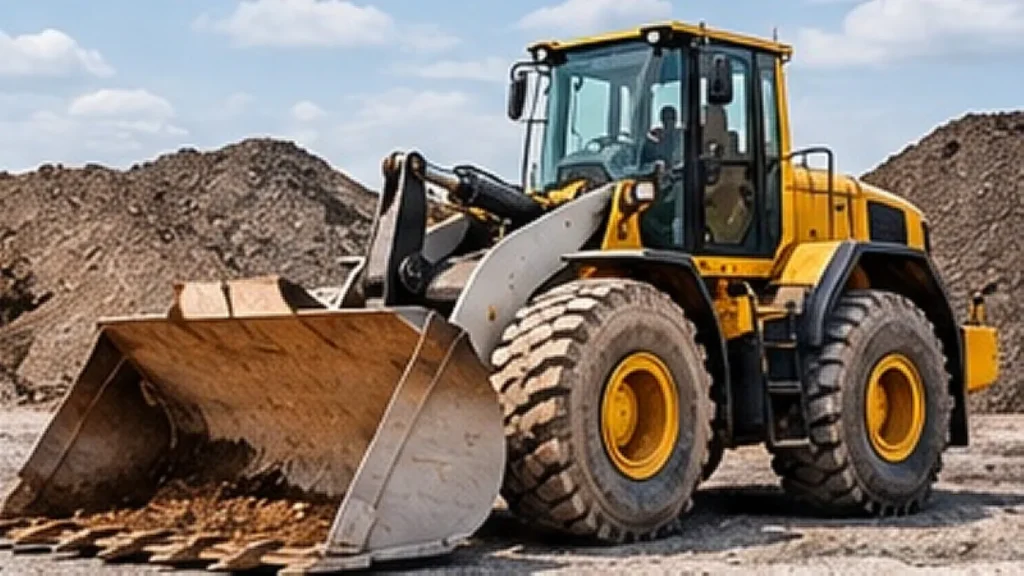
Do not invent statistics, testimonials or awards. If you do not yet have a figure you can prove, leave it out. Honest, specific information is more persuasive than big claims.
Step 3: Make the quote request easy, and complete
The most common waste in transport and plant hire sales is back-and-forth. A buyer sends “How much for a truck to Durban?” and the supplier has to ask six follow-up questions. Each exchange gives a competitor time to answer first. A good quote form or WhatsApp script collects the essentials upfront, using the language of the sector.
What to capture, by business type
- Trucking, freight and logistics: pick-up and delivery addresses, load type and description, weight and dimensions, loading and offloading requirements, preferred dates and times, return load possibilities, special handling or permits needed.
- Bus, coach, shuttle and tour operators: number of passengers, date and times, pick-up and drop-off points, route or itinerary, waiting time, luggage and special requirements.
- Vehicle and fleet rental: vehicle type, number of units, hire period, collection and return location, driver requirements, usage and distance.
- Plant hire and equipment rental: machine type and size, site location and access, hire period, operator required or not, delivery and collection needs, fuel and consumables arrangements.
- Workshops, repairs and recovery: vehicle make and model, fault description, location, urgency, preferred time and whether the vehicle is driveable.
- Commercial vehicle dealers: vehicle type, new or used, budget range, finance or trade-in needs, timeline.
Keep the first form short. Name, contact details and the two or three details that determine whether you can help are often enough. You can gather the rest in a short call or message. Every unnecessary field makes it less likely that a busy site manager will finish the form.
Give people a way to ask a quick question
Some buyers are not ready for a full quote. A WhatsApp button or a callback option lets them ask something simple, such as “Do you have a 3-ton roller available next week?” Handle these questions as seriously as formal quote requests, because they frequently turn into jobs.
Step 4: Respond quickly and specifically
Speed signals reliability, which is exactly what a transport buyer is shopping for. Decide on a response standard and write it down. Many operators aim to acknowledge every enquiry within minutes during working hours and to send a clear quote or a precise question within the same working day. Breakdown, recovery and urgent hire services may need a much faster, round-the-clock response path.
A good first reply does three things:
- Confirms the details you understood, such as route, date, equipment and quantity.
- Answers the main question, whether that is availability, a price or an estimate with a timeline.
- States the next step clearly: how to accept, what you need from them and when you need it.
If nobody is free to reply personally, an automatic acknowledgement can bridge the gap. It should confirm receipt, state when a person will respond and give an urgent contact number. Our article on how quickly you should respond to a new enquiry explains how to set a standard that suits your business.
Step 5: Capture every enquiry in one place
Enquiries reach transport and plant hire businesses through calls to the office, WhatsApp messages to a manager, emails to a general inbox, web forms, social media and conversations in the yard. If each channel is managed separately, enquiries disappear. Keep one shared enquiry and quote list with:
- Date and time received, and the source or channel.
- Customer and contact details.
- What was requested: route, equipment, dates and quantities.
- Quote value and date sent.
- Owner of the next step.
- Status: new, quoted, following up, won, lost.
- If lost, the reason.
This does not require expensive software. A shared spreadsheet is enough to start, and our Business Growth Toolkit includes enquiry and quote trackers designed for this kind of work, along with a Fleet Utilisation Tracker for monitoring how often vehicles and machines are earning.

Step 6: Follow up on every quote until the buyer decides
Many buyers do not answer a quote straight away. They wait for approvals, compare suppliers or check availability on their side. A planned follow-up routine keeps you in the conversation without being a nuisance:
- Same day: send the quote and confirm that you can answer questions.
- Two to three days later: ask whether they need any changes or clarification.
- About a week later: mention availability, because dates fill up, and offer an alternative if useful.
- After two weeks: close the loop politely and ask whether to keep them on your list for future work.
Each message should add something useful, such as confirmed availability, an alternative option or a brief answer to a likely question. Stop as soon as the buyer declines or asks you to stop. Our guides on why customers go quiet after a quote and building a simple lead follow-up system offer wording and timing you can adapt.
Step 7: Turn one job into repeat business
In transport and plant hire, retention is worth more than a single win. After each job:
- Confirm that the work went as expected and ask whether anything could be improved.
- Ask satisfied customers for a Google review, with a direct link.
- Record when they typically hire or ship, so you can reach out before the next project or season.
- Offer a standing arrangement, such as scheduled collections, a regular route or a preferred-supplier rate, where it makes commercial sense.
- Keep contact details current and respect opt-out requests, in line with POPIA and the rules on electronic direct marketing.
Use your utilisation data to decide when to contact customers. If a particular machine or vehicle type has idle days coming up, a timely message to previous customers about availability is more useful, and more welcome, than a generic newsletter.
Where paid search fits
Paid search can reach buyers at the moment they are looking for a supplier. It works best when your website, quote process and response routine are ready to handle the enquiries it generates. Keep these principles in mind:
- Target buying intent. Searches that include words such as “hire”, “quote”, “prices”, “company” or “services” usually come from people closer to a decision than general research queries.
- Be precise about services and places. Narrow, specific targeting often produces better enquiries than broad terms.
- Match the landing page to the advertisement. If the advertisement mentions plant hire for contractors, the landing page should speak to contractors needing plant hire.
- Expect smaller volumes in niche markets. Many specialised transport and plant hire searches have modest monthly volumes, so quality of response and conversion often matter more than the number of clicks.
- Track enquiries and customers, not just clicks.
Advertising spend is paid to the advertising platform and is separate from any service fee, and nobody can honestly guarantee a specific number of enquiries or contracts. Results depend on your market, location, pricing, availability and how quickly you respond.
Measure the numbers that matter
Track a small set of figures every month:
- Enquiries received, by channel and by service.
- Quotes sent, and the percentage of enquiries that received a quote.
- Win rate: jobs won divided by quotes sent.
- Average time to first reply and to a full quote.
- Quotes with no follow-up recorded.
- Repeat customers and repeat revenue.
- Utilisation: the share of days each vehicle or machine is earning, and the value of idle days.
These numbers show you where the leaks are. A low win rate with fast replies may point to pricing or capacity. A low quote rate may point to slow responses or incomplete enquiries. High idle days despite many enquiries may point to a mismatch between what you offer and what buyers ask for. Our article on enquiry-to-booking conversion explains the method in detail.
Industry notes
Trucking, freight and logistics
Buyers want reliability, communication and clear pricing. Highlight lanes you serve regularly, the types of freight you handle and how you keep customers informed. Fast, detailed quotes for recurring lanes can win standing business.
Fleet operators and fleet management companies
Present service levels, coverage and reporting clearly. Explain how you communicate with clients and how issues are escalated.
Bus, coach, shuttle and tour operators
Group and event bookings are date-driven and sensitive to price. Respond fast, confirm details in writing and follow up before dates fill. See our guide on enquiry and booking systems for bus and passenger transport operators.
Vehicle and equipment rental
Availability, condition, rates and terms must be easy to find. Make hire terms, deposits and collection procedures clear before the enquiry, so buyers do not drop out later.
Commercial vehicle dealers, workshops and recovery
Buyers and fleet owners look for service quality and speed. Show brands and services, response times for breakdowns, hours and a phone number that is answered. See our guide on automotive and commercial vehicle enquiries to jobs and sales.
Plant hire, construction, mining and industrial suppliers
Clear equipment lists, site delivery details and quick, accurate quotes win work. See our guide on plant hire enquiries, quotes and follow-up.
Keep claims honest and compliant
Transport and plant hire are regulated industries. Operating licences, permits, insurance, vehicle roadworthiness and operator competence all matter, and requirements vary by service. Publish only claims you can support, keep documentation up to date and take professional advice where you are unsure. Treat customer information carefully under POPIA, and make sure any marketing messages go only to people who have agreed to receive them.
A 30-day plan you can start this week
Week 1: Fix visibility and proof. Claim or complete your Google Business Profile and Bing Places listing for each depot. Check that your name, address and phone number are consistent. Create or improve one page for each main service, with a real equipment list and clear quote button.
Week 2: Improve quote capture. Add a short, sector-specific quote form and a WhatsApp option. Set up one shared enquiry and quote list. Write your response-time standard and an acknowledgement message.
Week 3: Start following up. Write a four-message quote follow-up sequence. Review every open quote and contact those that have gone quiet. Ask recent satisfied customers for reviews.
Week 4: Measure and refine. Calculate enquiries, quotes sent, win rate, response time and idle days for the month. Choose the single biggest leak to fix next.
What a complete growth system adds
The steps above can be run manually. As volume grows, many owners find that a connected system saves time and prevents mistakes. Our Business Growth Automation System (BGAS) is built to support transport, fleet and plant hire businesses with a professional online presence, lead and quote request capture, enquiry management, WhatsApp communication support, Google Business Profile support, booking workflows for charter, hire and service work where they apply, professional copywriting, automation of repetitive follow-up and a business dashboard where included in the chosen package. Packages are scoped to be completed within approximately 30 working days after onboarding, and monthly support is optional.
To be clear about the limits: BGAS sits in front of your operations and keeps the sales side organised. It does not replace fleet management, dispatch, routing, telematics or compliance software, and it cannot guarantee a particular number of enquiries, bookings or contracts.
Questions transport and plant hire owners ask
How can a trucking or logistics company get more customers?
Make it easy to find you for the lanes and services you actually sell, show real proof of reliability, capture complete quote requests, reply quickly and follow up every quote on a schedule. Then add paid search for buyers who are already looking for a supplier.
How should a plant hire business handle quote requests?
Ask for the machine type, site location, hire period, delivery needs and whether an operator is required. Reply the same working day with availability and a price or a precise question, then follow up two to four times over about two weeks.
Is Google Business Profile useful for transport and equipment rental companies?
Yes. Many buyers check it to confirm location, contact details, reviews and photographs. Keep each depot’s listing accurate, use genuine photographs and answer questions and reviews promptly.
Does paid search work for niche transport and plant hire services?
It can, because it reaches buyers who are actively searching. Volumes for specialised terms are often small, so precise targeting, a matching landing page and a fast response process matter more than raw click numbers. Nobody can promise specific results.
How fast should I respond to a transport or equipment enquiry?
As fast as your operation allows. Many operators aim for an acknowledgement within minutes during working hours and a full answer within the same working day, with a faster path for breakdown and urgent hire requests.
Do I need software to manage enquiries and quotes?
Not to begin. A shared spreadsheet and written standards are enough. Software helps when volumes grow or when you want automatic acknowledgements, reminders and reporting.
Can marketing help reduce idle vehicles or machines?
It can help you fill gaps, but only if you know where the gaps are. Track utilisation and idle days, then contact previous customers and shortlisted buyers about availability when vehicles or machines are free. No marketing activity can guarantee full utilisation.
What should I avoid in transport and plant hire marketing?
Avoid unproven claims, stock photographs that misrepresent your fleet, invented testimonials, and promises you cannot keep. Be accurate about licences, insurance, capacity and availability.
Related reading: how to get trucking contracts in South Africa and how to grow a transport business.
For the bigger picture, see our plant hire business growth hub.
Your next step
Choose the weakest point in your quote process and fix it first. For ready-made templates, trackers and checklists, including a Fleet Utilisation Tracker, the Business Growth Toolkit is the practical first step. When you want a connected system, see how the Business Growth Automation System works.
Written by Jacob, Chief Marketing Officer, Guest Connecta (Pty) Ltd. This guide is general business information, not legal, regulatory or financial advice. Transport and plant hire businesses should confirm licensing, permit, insurance and safety requirements for each service they offer.