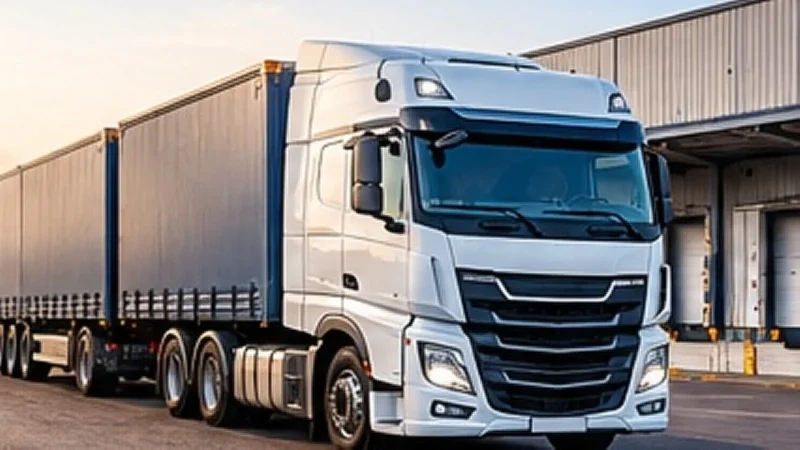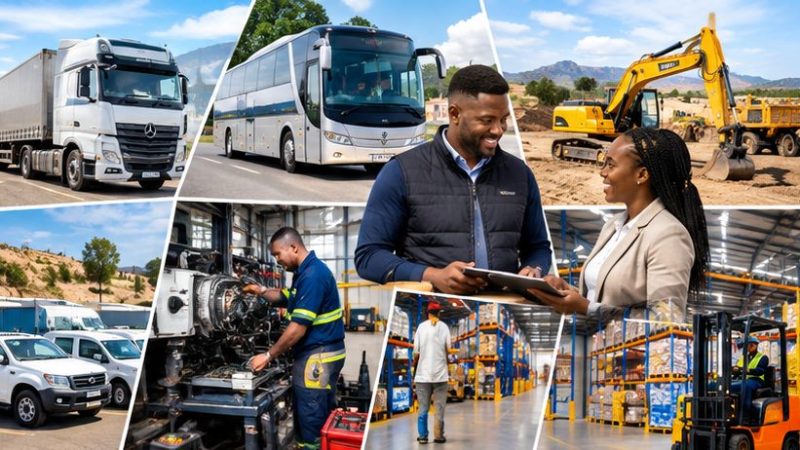

Plant hire brokerage helps construction companies save time and money by giving them one point of contact who finds the right machine, checks the supplier, compares quotes on equal terms and manages the booking, instead of the site team phoning around for every excavator, TLB, roller or crane. For a contractor running tight programmes and thin margins, the hours lost chasing equipment and the cost of the wrong machine arriving late add up quickly. This guide explains what plant hire brokerage is, how it works in South Africa, where the savings actually come from, what it costs, the risks to manage and how to decide whether it suits your business.
What is plant hire brokerage?
Plant hire brokerage is a service in which an intermediary, the broker, sources construction equipment from plant hire companies on behalf of the business that needs it. The broker does not usually own the machines. Instead, it knows which suppliers have which equipment, where they operate, what they charge and how reliable they are, and it uses that knowledge to match each request with suitable options.
A typical request might be: “We need a 20-ton excavator with an operator on a site in Midrand for three weeks from Monday, plus a 10-ton roller for the last week.” A site manager handling this alone would call several hire companies, explain the job each time, wait for call-backs, receive quotes in different formats and then try to work out which one is genuinely cheapest. A broker takes the brief once, does that legwork, and comes back with a short list of comparable options.
Brokers can work in different ways. Some charge the customer a fee, some earn a commission from the hire company, and some build a margin into the rate they quote. A good broker is open about which model applies, so you can judge the value for yourself.
Why sourcing plant is harder than it looks
On paper, hiring a machine is simple. In practice, construction companies run into the same problems again and again:
- Availability changes daily. The machine that was free on Tuesday is on another site by Thursday, especially in busy seasons or when large projects start in the same area.
- Quotes are hard to compare. One supplier quotes wet hire with an operator and fuel, another quotes dry hire, a third excludes transport to site. The cheapest-looking rate is often not the cheapest job.
- Specifications matter. A machine that is too small slows the work; one that is too big wastes money and may not fit the site. Attachments, bucket sizes, reach and lifting capacity all need to match the task.
- Paperwork and compliance take time. Contractors need proof of insurance, operator competence, maintenance and inspection records, and they need it before the machine starts work.
- Breakdowns stop the programme. If a machine fails and the supplier has no replacement, the site team is back on the phone, and every hour of standing time costs money.
- Site teams have other jobs. The person phoning around for a roller is usually a foreman, site agent or project manager whose real job is running the site.
None of these problems is dramatic on its own. Together, they create a hidden cost that rarely appears on a project budget but shows up in late starts, idle labour and stressed teams. For a deeper look at how slow replies and patchy follow-up cost hire companies work, see our guide to plant hire enquiries, quotes and follow-up.
How plant hire brokerage works, step by step
The exact process differs between brokers, but a well-run service follows a clear sequence.
1. The brief
You tell the broker what you need: machine type and size, attachments, wet or dry hire, site location and access, start date, expected duration, working hours and any site requirements such as induction, medicals or specific safety documentation. A good broker asks follow-up questions rather than guessing.
2. Sourcing and shortlisting
The broker contacts suppliers that are likely to have the right equipment in the right area. It confirms availability for your dates, asks about the age and condition of the machine, and checks that the supplier can provide the documents your site requires.
3. Like-for-like comparison
This is where much of the value lies. The broker asks every supplier the same questions, so you can compare total cost, not just the headline rate. That includes transport to and from site, operator costs, fuel, minimum hire periods, standing time, overtime, breakdown terms and deposit requirements.
4. Your decision
You receive a short set of options with the key differences explained. You choose, and the broker confirms the booking, the rates and the terms in writing.
5. Delivery and follow-through
The broker confirms delivery times, makes sure documents arrive before the machine does, and stays available if something goes wrong. If a machine breaks down and the supplier cannot replace it quickly, a broker with a wide network can often find an alternative faster than the site team could.
6. Off-hire and review
When the job ends, the broker helps arrange collection and checks that the final invoice matches the agreed terms. Over time, the broker learns which suppliers perform well on your sites and which do not.

Where the time savings come from
Time is the most immediate benefit, and it is easy to underestimate. Consider what happens without a broker when a site needs a machine at short notice. Someone has to find supplier numbers, make the calls, explain the job repeatedly, wait for replies, chase the suppliers who do not reply, collect quotes, compare them and then go back to negotiate. A single request can easily consume half a day of a senior person’s time, spread across several days of interruptions.
With a broker, that work becomes one conversation and one decision. The specific time savings include:
- One brief instead of many. You explain the job once, clearly, and the broker handles the repetition.
- Faster responses. Brokers who work with hire companies every day usually know who to call first and who is likely to have stock.
- Less chasing. Following up suppliers who have not replied becomes the broker’s job, not yours.
- Fewer surprises on site. Because documents and specifications are confirmed upfront, fewer machines are turned away at the gate or arrive with the wrong attachment.
- Faster replacements. When a machine fails, a broker can start sourcing a replacement immediately.
Time saved by a site agent or project manager is not just an administrative saving. It is time spent supervising work, managing subcontractors and keeping the programme on track, which is where the real money is made or lost.
Where the cost savings come from
Brokerage only makes sense if it saves more than it costs. The savings tend to come from several places rather than one big discount.
Comparing total cost, not headline rates
The single largest source of savings is often better comparison. A daily rate that looks low can become expensive once transport, minimum hire, operator overtime and fuel are added. A broker who lays out the full cost of each option helps you choose the genuinely cheaper job.
Matching the machine to the task
Hiring a larger machine “to be safe” is common and costly. So is hiring a machine that is too small and takes twice as long. A broker who asks the right questions about the task, ground conditions and access can help you choose the right size, which saves both hire costs and labour time.
Reducing standing time and idle labour
When equipment arrives late, crews wait. When the wrong machine arrives, crews wait again. Every hour of idle labour, plus penalties on a tight programme, is a real cost. Reliable sourcing and confirmed delivery times reduce these losses.
Using hired equipment instead of owning it
For machines you need only occasionally, hiring is usually cheaper than owning, once you consider purchase cost or finance, insurance, maintenance, storage, licensing and the cost of the machine standing idle between projects. A broker makes hiring less effort, which makes it easier to stay flexible rather than tying up capital in equipment.
Fewer disputes at the end
Disputes over damage, hours or extra charges are expensive in time and goodwill. Clear written terms agreed before the hire, and a broker who checks the final invoice, reduce the chance of an argument at the end of the job.
What a plant hire broker costs
There is no single price for brokerage, and you should be wary of any service that is vague about how it is paid. The common models are:
- A fee paid by the customer, either per request or as a percentage of the hire value.
- A commission paid by the hire company, which is built into the supplier’s pricing and does not appear as a separate charge to you.
- A margin on the hire rate, where the broker quotes you a rate that includes its earnings and pays the supplier separately.
Each model can be fair. What matters is transparency and value. Ask the broker how it is paid, whether you will contract with the hire company directly or with the broker, and who is responsible if the machine fails or the operator is not competent. Then compare the total cost of the brokered option against what you would realistically pay and spend in time doing it yourself.
Risks and how to manage them
Brokerage introduces a third party into the hire, so it is worth being clear about responsibilities from the start.
- Responsibility for the machine. Confirm in writing who is responsible for maintenance, breakdowns, insurance and damage. In most cases this sits with the hire company, but the paperwork should say so.
- Operator competence. In South Africa, the Construction Regulations issued under the Occupational Health and Safety Act require operators of construction vehicles and mobile plant to be competent and authorised for the machines they operate. Ask for proof of training and medical fitness where your site requires it, and confirm requirements with your safety officer.
- Insurance. Check what cover the hire company has for the machine, for damage to third-party property and for injury, and what your own policy covers when you hire in equipment.
- Data and confidentiality. A broker will share your project details with suppliers. Make sure it shares only what is necessary and handles your information responsibly. Under POPIA, businesses must process personal information lawfully and for a clear purpose.
- Over-reliance. Keep your own relationships with a few trusted suppliers for routine needs. A broker adds most value for less common equipment, urgent requests, unfamiliar areas and peak periods.
When brokerage makes sense, and when it does not
Plant hire brokerage is not right for every request. It tends to be most valuable when:
- You need equipment in an area where you do not know the local suppliers.
- You need something unusual, such as a specialised attachment, a long-reach machine or a large crane.
- Time is short and your usual supplier has nothing available.
- You have several machines to source for one project and want comparable quotes quickly.
- Your site team is stretched and cannot spend time on procurement.
- You have had problems with reliability, late deliveries or disputed invoices.
It may add less value when you have a long-standing supplier with the right fleet, good rates and a strong track record on your sites, and when the request is routine. Even then, an occasional comparison through a broker is a useful check that your rates are still competitive.
How to choose a plant hire broker
If you decide to use a broker, judge it the same way you would judge any supplier:
- Ask how it is paid and whether any fee applies to you.
- Ask how it checks suppliers. At a minimum, it should confirm that suppliers are real, contactable businesses and ask about insurance, operator competence and machine condition.
- Look at the quality of its questions. A broker that asks detailed questions about your site and task is more likely to find the right machine.
- Check its response time. If a broker is slow to reply to your first request, it will probably be slow when a machine breaks down.
- Ask what happens if something goes wrong. Who do you call, and how quickly will a replacement be sourced?
- Start with one request and judge the experience before committing larger projects.
A worked example
Imagine a mid-sized civil contractor in Gauteng that wins a three-month stormwater project in a part of the province where it has not worked before. It needs an excavator and a TLB for the full period, a roller for two weeks near the end and a mobile crane for one day to lift precast units.
Without a broker, the site agent spends the first week of the project phoning hire companies, receiving quotes in different formats and trying to confirm crane availability for a date that keeps moving. The excavator arrives a day late because the first supplier double-booked it, and the crew loses most of a day.
With a broker, the contractor sends one brief before mobilisation. Within a working day, it receives three options for the excavator and TLB, laid out with transport, operator and minimum-hire costs side by side, and a note on crane availability. It chooses the option with the best total cost and the most reliable supplier, and the broker confirms delivery and documents. When the project dates shift, the broker rebooks the crane. The site agent’s time goes into the project rather than procurement.
The example is illustrative, but the pattern is common: the savings come from fewer wasted hours, better comparisons and fewer delays, not from a single dramatic discount.
Frequently asked questions
What is the difference between plant hire and plant hire brokerage?
Plant hire is renting equipment directly from the company that owns it. Plant hire brokerage uses an intermediary that sources equipment from several hire companies on your behalf, compares the options and helps manage the booking.
Is it cheaper to use a plant hire broker?
It can be, but not always. Savings usually come from comparing total costs properly, matching the machine to the job, reducing standing time and saving your team’s time. Compare the full brokered cost against the real cost of sourcing the machine yourself.
Who is responsible if a brokered machine breaks down?
That depends on the terms agreed. Usually the hire company is responsible for maintenance and breakdowns, and the broker helps arrange a replacement. Make sure the responsibilities are confirmed in writing before the hire starts.
Can a broker supply operators as well as machines?
Yes. Many requests are for wet hire, where the machine comes with a trained operator, and sometimes fuel. Ask for proof of operator competence where your site requires it.
What information should I give a plant hire broker?
Give the machine type and size, attachments, wet or dry hire, site location and access, start date, duration, working hours and any site safety or documentation requirements. The clearer the brief, the better the match.
Does Guest Connecta offer plant hire brokerage?
Yes. Through the Guest Connecta Business Growth Marketplace, you can send one request for plant, transport, freight and equipment, and we come back with suitable, checked options. Plant hire companies can also register as Marketplace suppliers.
Related reading: construction company marketing: how to win more projects.
For the bigger picture, see our construction business growth hub.
Your next step
If equipment sourcing is costing your site team time and your projects money, try brokerage on your next request. Send one brief through the Business Growth Marketplace and compare the experience with how you source machines today. If you own plant and want more of the right enquiries, join the Supplier Network and read our guide to marketing for transport and plant hire companies.
Written by Jacob, Chief Marketing Officer, Guest Connecta (Pty) Ltd. This guide is general business information, not legal, safety or financial advice. Confirm operator competence, insurance and site safety requirements for every hire with the relevant supplier and your own safety officer.