
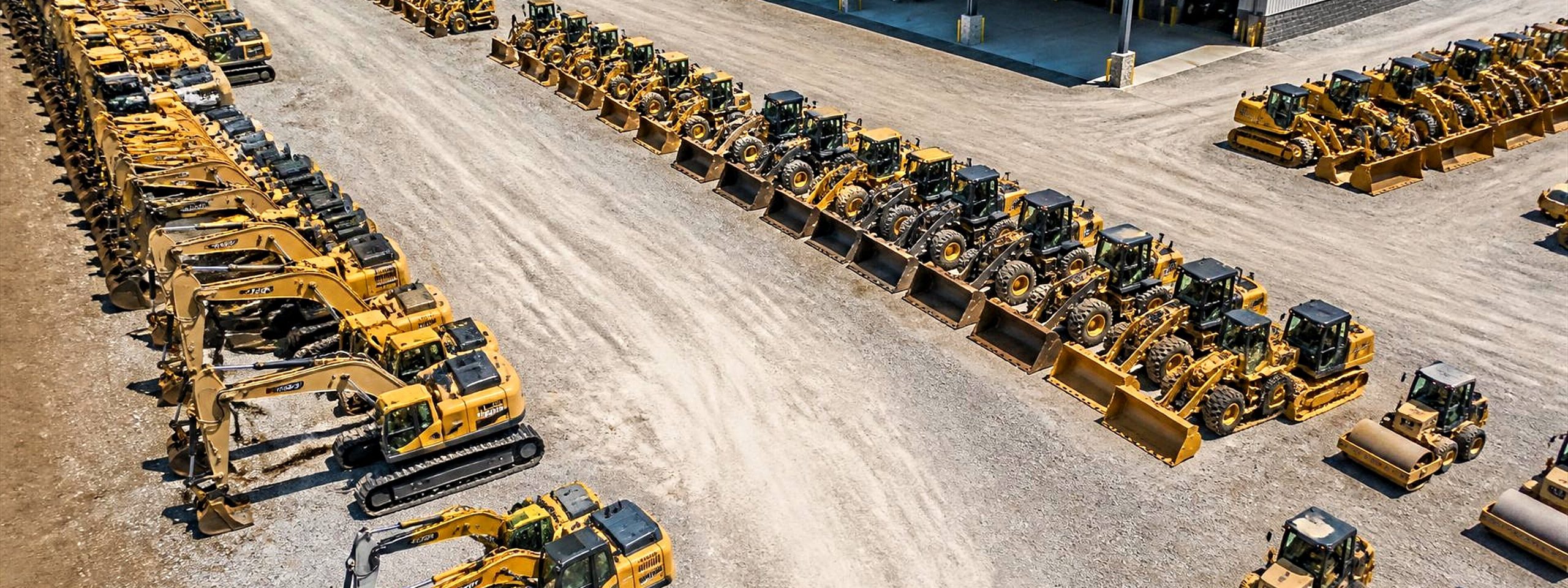
Plant hire businesses in South Africa grow when machines spend more days on hire, quotes go out quickly with the right details, customers can easily check availability and terms, and every completed hire is followed by a conversation about the next one. This hub is Guest Connecta’s central guide for plant and equipment hire companies, from owner-operators with a few machines to established fleets serving construction, mining, agriculture and municipal work. It explains the challenges plant hire businesses face, practical growth strategies, how to win and keep contractors, and links to our detailed guides.
Who this hub is for
- Owner-operators with one to five machines who want steadier hire days.
- Plant hire fleets renting excavators, TLBs, loaders, rollers, graders, cranes, tippers and compaction equipment, with or without operators.
- Equipment rental companies supplying smaller tools and machines to contractors and homeowners.
- Contractors who own plant and want to hire out machines between their own projects.
The challenges plant hire businesses face
Idle machines
A machine standing in the yard still costs finance, insurance, storage and depreciation. Utilisation is the single biggest driver of profit in plant hire, yet many businesses do not track it weekly.
Incomplete enquiries
Customers often ask “how much for a TLB?” without the site location, duration, operator needs or delivery requirements. Each missing detail adds back-and-forth and delays the quote while the customer keeps shopping.
Slow quotes in an urgent market
Contractors frequently need machines at short notice. The first supplier to confirm availability and price often wins, even if they are not the cheapest.
Damage, downtime and disputes
Without clear hire terms, pre-hire inspections and photographs, disagreements about damage, fuel, hours and breakdown responsibility erode margin and relationships.
Seasonal and project-driven demand
Work rises and falls with construction cycles, budgets and weather. Businesses that depend on a few large contractors feel these swings sharply.
Payment risk
Long payment terms and slow-paying customers can strain cash flow, especially when machines are financed.
Growth strategies for plant hire businesses
1. Measure utilisation every week
Track hire days against available days for every machine, plus revenue per machine, downtime and debtor days. These figures show which machines earn their keep, which should be marketed harder or sold, and when buying another machine makes sense.
2. Make enquiring easy and complete
Use a short enquiry form and WhatsApp template that asks for machine type, site location, start date and hire period, delivery needs and whether an operator is required. Complete enquiries become fast quotes. Read plant hire enquiries, quotes and follow-up for a full process.
3. Reply fast with availability and price
Set a response standard during working hours, keep an up-to-date availability board, and use quote templates that include rates, minimum hire periods, delivery, fuel, operator and terms. See how quickly to respond to an enquiry.
4. Follow up every open quote
Many hire requests are lost simply because nobody followed up. A short sequence over the following days, with updated availability, recovers a meaningful share. Our guide on why customers go quiet after a quote gives example messages.
5. Turn single hires into regular accounts
After each hire, ask about upcoming projects, offer account terms to reliable customers where appropriate, and keep a list of contractors by area and machine type so you can contact them when equipment is free.
6. Protect margin with clear terms
Use written hire agreements, pre-hire and off-hire inspections with dated photographs, hour-meter readings, fuel policies and clear responsibilities for damage and breakdowns. Clear terms prevent disputes and protect relationships.
How plant hire companies win contractors
- Direct relationships with contractors, site managers and procurement teams in your area.
- Main contractors and developers who need dependable suppliers for large projects.
- Local search, through an accurate Google Business Profile and a website listing your machines, service area and how to request a quote.
- Brokers and marketplaces that match hire requests with suppliers. Read how plant hire brokerage helps construction companies, and suppliers can join the Business Growth Marketplace.
- Tenders and supplier databases for municipal and public sector work, which generally require Central Supplier Database registration and current compliance documents.
- Referrals from satisfied customers, operators and related trades.
Marketing that works for plant hire
Plant hire buyers want to know three things quickly: do you have the right machine, is it available when I need it, and can I trust it to work on site.
- A clear machine list with model types, capacities, attachments and genuine photographs.
- Service area and delivery information, including transport options and lead times.
- Proof of reliability, such as maintenance practices, operator experience and real customer reviews.
- A simple quote request on your website and an easy WhatsApp option.
- Regular contact with past customers, offering availability when machines are free.
Our article on marketing for trucking, fleet, bus and plant hire companies covers the online side in detail.
Operators, safety and compliance
Customers hiring with an operator rely on that person’s skill and safety. Keep operator training and competency records current, provide machines that are properly maintained and inspected, and make sure insurance cover suits the work and the hire terms. Requirements differ by sector and site, and mines and large contractors often have their own onboarding and safety standards, so confirm requirements with the customer and the relevant authority.
Pricing plant hire for profit
- Calculate the full cost of owning each machine: finance, insurance, maintenance, tyres or tracks, transport, storage and expected idle time.
- Set minimum hire periods and clear rates for daily, weekly and monthly hire, with and without operators.
- Price delivery and collection separately and transparently.
- Define fuel, standing time and overtime charges.
- Review rates regularly as costs change, and track which machines earn the best return.
Deciding when to grow the fleet
Add machines when existing equipment is consistently on hire, customers are asking for capacity you cannot supply, and the numbers show the new machine can be financed comfortably at realistic utilisation. Cross-hiring from trusted suppliers is a lower-risk way to test demand before buying. Selling machines that sit idle can free capital for equipment customers actually ask for.
Building a reliability advantage through maintenance
In plant hire, reliability is a sales tool. A machine that breaks down on site costs the customer time and money, and often costs you the next hire. Maintenance therefore belongs in your growth plan, not only in the workshop.
- Service on schedule, not on failure. Keep a service log for every machine with hours, dates and work done, and plan services for quiet days rather than busy weeks.
- Inspect between every hire. A short checklist for hydraulics, tyres or tracks, attachments, lights, safety equipment and fluids catches problems before the machine goes back out.
- Agree breakdown response times. Tell customers what happens if a machine fails on site: how quickly you respond, whether a replacement is available and how hire charges are handled.
- Record downtime. Track how many days each machine is unavailable for repairs. Machines with rising downtime may cost more to keep than to replace.
- Share the evidence. When customers ask about reliability, being able to describe your maintenance routine and show service records builds confidence quickly.
Serving different types of customers
Different customers buy plant hire in different ways, and adjusting your approach for each improves conversion and loyalty.
Large contractors and developers
They value capacity, reliability, safety compliance and account terms. Expect supplier onboarding, safety documentation and site inductions. Regular contact with site managers and buyers keeps you on their shortlist.
Small builders and trades
They often need a single machine at short notice for a few days. Fast replies, clear all-in pricing including delivery, and flexible short hires matter most. Many become repeat customers if the first hire goes smoothly.
Municipal and public sector work
Work usually comes through formal procurement with strict documentation. Keep compliance documents current, read requirements carefully and only quote where your machines and capacity fit.
Agriculture and private landowners
Demand can be seasonal, for example for land clearing, dams or roads. Plan marketing ahead of the season and consider simple packages that include an operator and transport.
Mining and industrial clients
These customers often have strict safety, machine specification and operator competency requirements, and longer onboarding. Understand their standards fully before pursuing the work.
Knowing which segments you serve best helps you choose machines, set terms and decide where to focus your sales time.
Measuring growth in a plant hire business
Review a handful of numbers every month: utilisation and revenue per machine, downtime days, number of enquiries and their source, quote win rate, average hire length, repeat customers and debtor days. Compare each month with the previous one and with the same period last year to separate seasonal patterns from real progress. When a number moves, ask why: a fall in quote win rate may point to slower replies, while rising downtime may signal that a machine is due for replacement. Share the key figures with your team so dispatch, workshop and sales staff understand how their work affects the business.
Common mistakes that hold plant hire businesses back
- Not tracking utilisation per machine.
- Quoting without confirming site, duration and operator requirements.
- Releasing machines without pre-hire inspections and photographs.
- Relying on one or two large customers.
- Letting quotes go unanswered or un-followed.
- Buying machines because of a single large enquiry rather than proven demand.
A 90-day plant hire growth plan
- Days 1 to 30: start a weekly utilisation sheet, update your machine list and photographs, and review your hire agreement and inspection process.
- Days 31 to 60: introduce a standard enquiry form and WhatsApp template, set a response standard and a follow-up routine for every open quote.
- Days 61 to 90: contact ten contractors, developers or brokers in your area, ask recent customers about upcoming projects, and identify which machines to market harder, sell or add.
No plan guarantees hire days, but these steps remove the most common reasons plant hire businesses lose work and margin.
Plant hire guides and resources
- Plant hire enquiries, quotes and follow-up
- How plant hire brokerage helps construction companies
- Construction business growth hub
- Marketing for trucking, fleet, bus and plant hire companies
- How to grow a transport business
- Automotive, Plant Hire and Commercial Vehicle Growth Blueprint
Questions plant hire owners ask about growth
How do plant hire companies get more customers?
They make it easy to see which machines are available, capture complete hire details in the first enquiry, reply quickly with a clear price, follow up open quotes, build relationships with contractors and developers, and stay in touch with past customers.
What is a good utilisation rate for plant hire machines?
It varies by machine type, market and season, so the most useful benchmark is your own trend. Track hire days against available days for each machine every week and focus on improving the weakest machines first.
Should I hire machines with or without operators?
Both can work. Operated hire suits customers who need skills on site and can command higher rates, while dry hire suits experienced contractors. Many businesses offer both with clear pricing and terms for each.
How do I reduce damage disputes?
Use written hire terms, carry out pre-hire and off-hire inspections with dated photographs and hour-meter readings, and agree responsibility for damage, fuel and breakdowns before the machine leaves the yard.
When should I buy another machine?
When similar machines are consistently on hire, customers regularly ask for more capacity, and the numbers show the machine can be financed at realistic utilisation. Cross-hiring first is a lower-risk test.
Can a plant hire business grow through a marketplace?
Marketplaces and brokers can bring new customers and fill idle days, especially when you respond quickly and deliver reliably. Use them alongside direct relationships rather than as your only source of work.
Your next step
Pick the weakest link in your hire process and fix it first. The Business Growth Toolkit includes a Fleet Utilisation Tracker, quote and follow-up templates and checklists. If you want a complete enquiry, quoting, follow-up and reporting system built for your plant hire business, see Business Growth Automation Systems and the Automotive, Plant Hire and Commercial Vehicle Growth Blueprint, or contact us.
Written by Jacob, Chief Marketing Officer, Guest Connecta (Pty) Ltd. This hub is general business information, not legal, regulatory or financial advice. Confirm safety, operator, insurance and procurement requirements with the relevant authority or customer.