
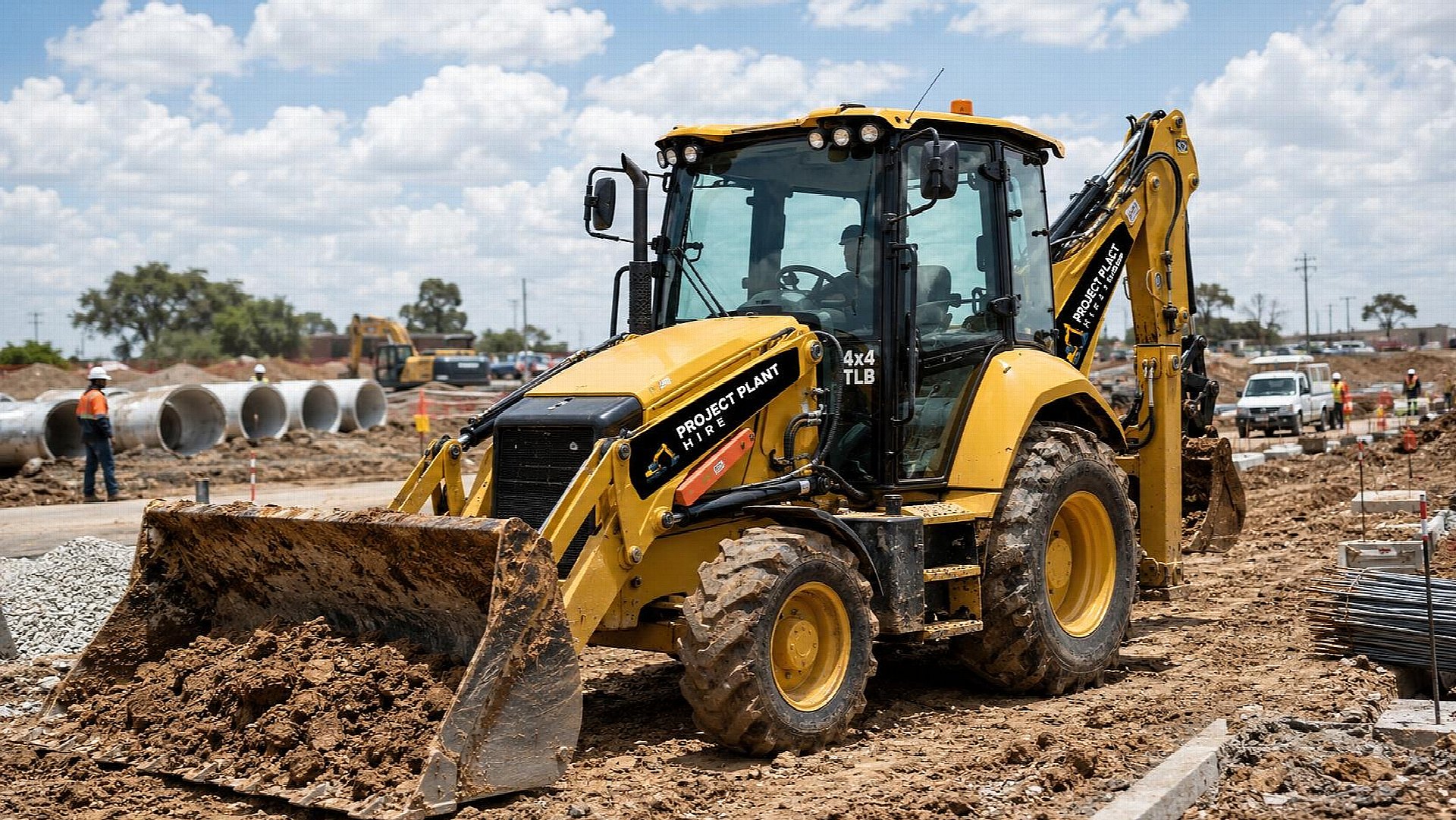
Construction businesses in South Africa grow when they specialise in work they do well, make proof and compliance easy for clients to check, qualify enquiries before investing hours in pricing, quote clearly, and follow up every quote and tender until a decision is made. This hub is Guest Connecta’s central guide for builders, renovation contractors, civil and specialist contractors and subcontractors. It covers the challenges construction businesses face, the strategies that help them grow, how to find and win clients, and links to our detailed guides on each topic.
Who this hub is for
- Residential builders and renovators working with homeowners on new builds, extensions and refurbishments.
- Commercial and industrial contractors serving developers, property owners and businesses.
- Civil and specialist contractors such as roofing, paving, electrical, plumbing, steel and earthworks firms.
- Subcontractors who want more regular work from main contractors.
The challenges construction businesses face
Feast and famine workloads
Many contractors are either overwhelmed or quiet. When the team is busy on site, nobody follows up enquiries or builds the pipeline, so work dries up when projects finish.
Time spent on quotes that never convert
Detailed pricing takes hours. Without qualifying enquiries first, contractors spend time quoting projects that were never likely to go ahead or were only collecting prices.
Price pressure
Clients often compare several quotes and focus on the bottom line. Contractors who cannot clearly explain scope, exclusions and value are pushed into discounting.
Cash flow and payment delays
Late payments, disputed variations and retention can strain cash flow, especially for smaller firms carrying materials and labour costs upfront.
Compliance requirements
Registration, grading, insurance, tax and health and safety documentation are increasingly checked, particularly for larger private clients and public sector work.
Reputation risk
One poorly managed project or a dispute that ends up in a public review can undo years of good work. Trust is the main currency in construction.
Growth strategies for construction businesses
1. Specialise and say so clearly
A company known for a particular type of work or area is easier to trust and recommend. Choose the projects and clients you serve best and make that clear everywhere.
2. Build a pipeline while you build projects
Set aside a fixed time each week for business development, even when busy: follow up quotes, contact past clients and referrers, and update your project portfolio.
3. Qualify before you quote
Ask about scope, drawings, site location and access, timeline, budget and decision-makers before detailed pricing. Decline or refer projects that do not fit.
4. Quote to win on clarity, not only price
Describe scope in plain language, list exclusions and assumptions, explain the payment schedule and how variations are handled, and walk the client through the quote.
5. Turn every project into future work
Hand over properly, ask for a review and referral when satisfaction is highest, photograph completed work with permission and stay in touch with commercial clients about future phases.
6. Protect cash flow
Agree payment milestones linked to progress, document variations in writing before work starts, invoice promptly and follow up overdue payments on a schedule.
How construction companies find clients
- Referrals from past clients, architects, quantity surveyors, engineers, developers, estate agents and suppliers.
- Local search, through an accurate Google Business Profile and a website that explains your services and service areas.
- Tenders and supplier lists from government departments, municipalities, state-owned companies and large private organisations.
- Main contractors looking for reliable subcontractors in specialist trades.
- Content that answers questions clients ask before hiring, such as timelines, cost drivers and what to check in a builder’s quote.
Our construction company marketing guide explains each source in detail, including what clients check before they hire.
Marketing that builds trust in construction
- Project case studies with genuine before, during and after photographs, used with client permission.
- Service pages for each main type of work, explaining what is included, typical timelines and how the process works.
- Reviews and references from real clients, requested at handover.
- Accurate credentials, including registration, grading and insurance, with nothing overstated.
- A clear quote request that captures project type, location, timeline and budget range.
Read marketing for local service businesses for local search and review guidance that applies directly to contractors.
Compliance and credibility
Depending on the work and the client, expect checks on Construction Industry Development Board (CIDB) registration and grading for public sector work, National Home Builders Registration Council (NHBRC) registration for home builders, company and tax compliance, Central Supplier Database registration for government work, contractors’ all risks and public liability insurance, a COIDA letter of good standing, health and safety documentation, and B-BBEE status where relevant. Requirements change, so confirm them with the relevant authority and each client.
Working with plant and equipment suppliers
Reliable machinery and transport keep programmes on track. Building relationships with dependable plant hire suppliers, or using a brokerage service, reduces the risk of delays. Read how plant hire brokerage helps construction companies and see the Business Growth Marketplace for checked plant hire and transport suppliers.
A 90-day construction growth plan
- Days 1 to 30: update your compliance pack, photograph recent projects and write three short case studies with client permission. Review your Google Business Profile.
- Days 31 to 60: introduce a short qualification step before detailed quotes, create a quote template with scope, exclusions and payment terms, and set up a quote tracker with follow-up dates.
- Days 61 to 90: contact ten architects, quantity surveyors, developers or main contractors, ask recent clients for reviews and referrals, and review which project types are most profitable.
No plan guarantees projects, but these steps make your business easier to trust and harder to forget.
Construction guides and resources
- Construction company marketing: how to win more projects
- How plant hire brokerage helps construction companies
- Why customers go quiet after a quote
- How quickly should you respond to an enquiry?
- 12 small business growth strategies
- Plant hire business growth hub
Pricing and estimating for profit
Underpricing is one of the most common reasons construction businesses grow busy but not profitable. To protect margin:
- Build estimates from a consistent template covering materials, labour, plant, transport, preliminaries, professional fees, waste, contingency and overheads.
- Track actual costs against estimates on every project and adjust your rates when the gap is consistent.
- Price risk honestly. Unclear ground conditions, access constraints, client-supplied items and tight programmes should be reflected in assumptions or allowances, not absorbed silently.
- Separate optional extras so clients can see the base price and choose upgrades, rather than comparing an all-inclusive quote with a stripped-down competitor.
- Review material prices regularly and limit the validity period of quotes when prices are volatile.
A well-structured estimate also makes it easier to explain your price, which is often what wins the job against a cheaper but vaguer competitor.
Building a reliable team and subcontractor network
Growth in construction depends on people. Clients judge you on the work of every trade on site, not only your own team.
- Keep a list of trusted subcontractors for each trade, with their availability, rates, insurance and track record.
- Agree scope, programme and payment terms in writing with each subcontractor before work starts.
- Hold short site meetings at key stages so everyone knows the next steps and any changes.
- Develop supervisors who can run sites to your standard, so the owner can spend time on clients and estimating.
- Pay subcontractors on time, which builds loyalty and makes it easier to secure good teams when you are busy.
Common mistakes that hold contractors back
- Quoting every enquiry in full without qualifying it first.
- Starting work before variations are documented and approved.
- Relying on one or two clients for most of the year’s work.
- Stopping business development when the team is busy, then facing an empty pipeline when projects end.
- Overstating credentials or capacity, which can lead to disputes and reputational damage.
- Leaving reviews and referrals to chance instead of asking at handover.
Using technology without overcomplicating it
Small and medium contractors benefit most from a few simple tools: a shared enquiry and quote tracker, estimating templates, a photo log for every project, digital site diaries and automatic acknowledgements for website enquiries. Introduce tools one at a time, and only where they save real time or reduce mistakes. The goal is a business that keeps winning and delivering work even when the owner is on site all day.
Winning public sector and corporate work
Larger clients and public entities buy through formal processes. They reward preparation and penalise missing documents, so a disciplined approach matters more than a low price.
- Choose opportunities carefully. Bid only where your grading, capacity, experience and cash flow match the project. Losing money on a large contract can harm the business more than not bidding.
- Read every requirement twice. Many submissions are disqualified for missing forms, signatures, certificates or returnable documents rather than price.
- Keep a bid library of company information, method statements, organograms, safety documents, project lists and CVs, updated after each project, so you are not starting from scratch.
- Attend briefing sessions where they are compulsory or offered, and ask clarifying questions through the official channel.
- Price realistically, including preliminaries, compliance costs and payment timing.
- Ask for feedback when a bid is unsuccessful, and use it to improve the next one.
For corporate and developer clients, the same discipline applies: a clear capability statement, current compliance documents, relevant case studies and references, and a professional, well-structured quote. Relationships with the professional team, including architects, engineers and quantity surveyors, often determine who is invited to quote in the first place, so stay visible to them between projects.
Growth into larger work is usually gradual. Many contractors build up through progressively larger private projects and subcontract packages, improving their grading, systems and financial capacity as they go.
Measuring what matters
Track a few numbers every month: enquiries received and their source, quotes sent, quotes won, average project value, gross margin per project compared with the estimate, debtor days, and reviews and referrals received. Together they show whether growth is coming from more work, better work or better margins, and where the next improvement should be. Review them with your team so everyone understands how quoting, delivery and client care affect the business.
Questions construction owners ask about growth
How do construction companies find clients?
Most find clients through referrals from past clients and professionals such as architects and quantity surveyors, local search, tenders and supplier lists, and relationships with main contractors. Clear proof of work and fast, professional quoting turn those opportunities into projects.
How can a small construction company compete with bigger firms?
Specialise in a type of work or area, communicate faster and more clearly, show genuine proof of quality and stay in touch after quoting. Many clients value responsiveness and clarity as much as size.
How do I stop wasting time on quotes?
Qualify enquiries before pricing by asking about scope, drawings, site, timeline, budget and decision-makers. Focus detailed quotes on projects that fit your strengths and are likely to proceed.
Do I need CIDB registration?
Contractors tendering for public sector construction work generally need CIDB registration, and the grading determines the size and class of contracts they may bid for. Many private clients also ask for it. Confirm the requirements for each opportunity.
How do I get more referrals in construction?
Deliver well, hand over properly, ask for a review and referral at handover, keep in touch with past clients and build relationships with professionals whose clients need your services.
How should construction companies handle variations?
Agree in writing how variations are priced and approved before work starts, document each variation before it is carried out, and invoice it promptly to protect cash flow and avoid disputes.
Your next step
Start by fixing the weakest part of your process, whether that is proof, qualification, quoting or follow-up. The Business Growth Toolkit includes quote trackers, follow-up templates and checklists. If you want a complete enquiry, quoting and follow-up system built for your business, see Business Growth Automation Systems or contact us.
Written by Jacob, Chief Marketing Officer, Guest Connecta (Pty) Ltd. This hub is general business information, not legal, regulatory or financial advice. Confirm registration, grading, insurance and health and safety requirements with the relevant authority or client.